
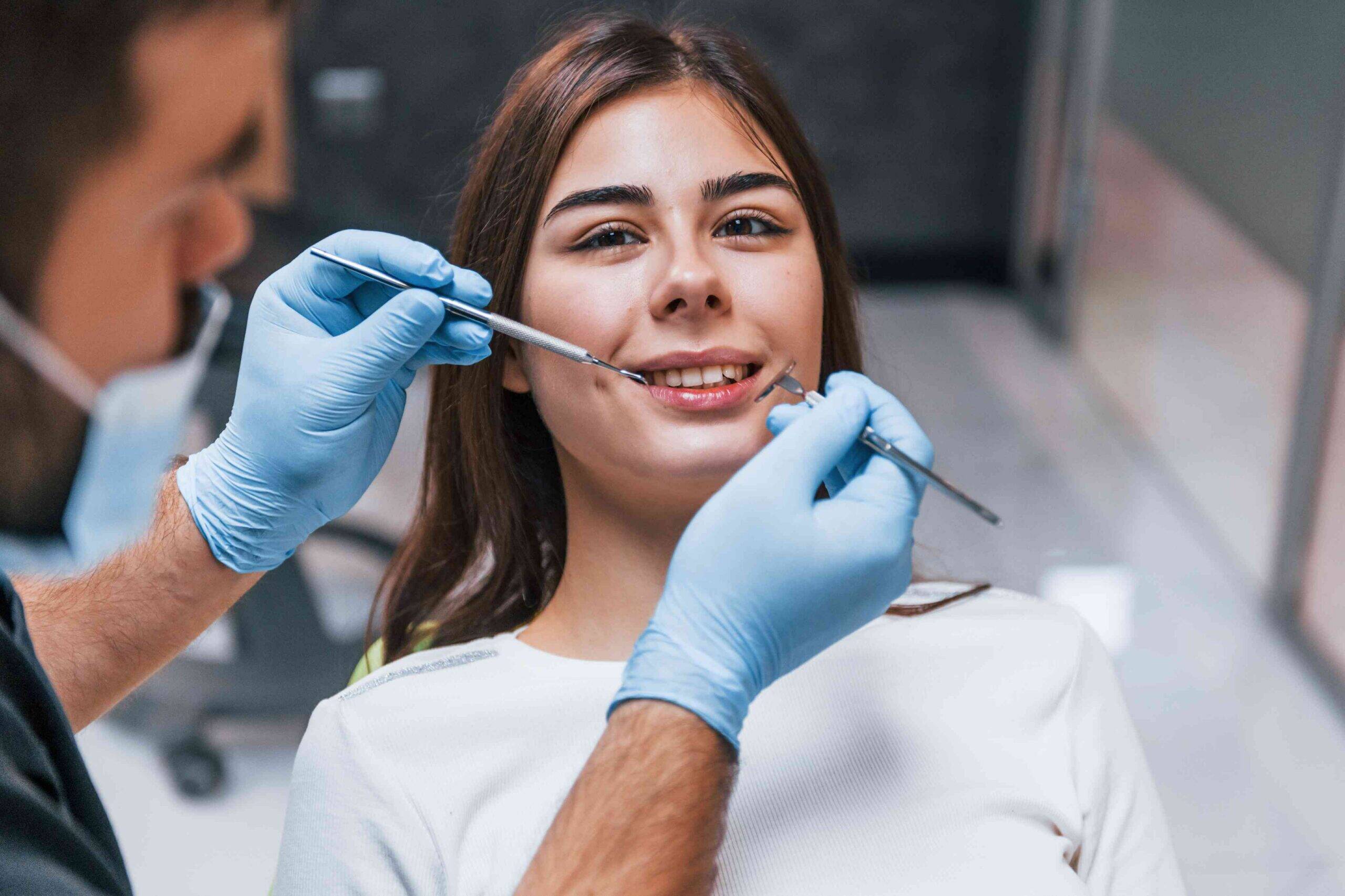
Dental implants may help selected patients replace missing teeth with implant-supported crowns, bridges, or dentures after a full dental evaluation. Patients in Oakville ON, Glen Abbey ON, and Westmount ON should expect the dentist to review bone support, gum health, bite pressure, nearby teeth, medical history, healing ability, and home care habits before recommending care. A replacement plan may also compare bridges, removable dentures, and other options based on oral health and maintenance needs.
A missing tooth can change the way the mouth works long before it becomes uncomfortable. A patient may begin chewing on the opposite side, notice food catching near space, or feel that the bite does not come together the same way. Even when the gap is not visible, the surrounding teeth and gums can still be affected.
For patients in Oakville ON, Glen Abbey ON, and Westmount ON, dental implants in Glen Abbey ON may be discussed when a missing tooth needs a stable replacement option. The decision depends on more than filling a space. Bone support, gum health, bite pressure, nearby teeth, medical history, and daily cleaning all need review.
A complete consultation helps patients understand what may be possible, what steps may come first, and how the final replacement should be maintained over time.
A Missing Tooth Can Change the Balance of the Mouth
Teeth are meant to work together while chewing. When one tooth is missing, the nearby teeth may begin to tilt or shift into the open area.
The tooth above or below the space may also move because it no longer meets a matching tooth. These changes can affect chewing pressure and make the area harder to clean.
Patients in Oakville, ON should have missing tooth spaces checked even when there is no pain. A dentist can explain whether replacement may help protect function, spacing, and long-term oral health.
Gum Health Needs a Stable Starting Point
Healthy gums help protect natural teeth and implant restorations. Bleeding, swelling, deeper pockets, or untreated gum disease can affect treatment timing.
Before Dental Implant Treatment, the dentist may recommend cleaning, gum care, or improved home routines. A healthier mouth can give the implant area a better foundation.
Patients in Westmount ON should mention bleeding gums, loose teeth, tobacco use, or past periodontal care. These details can affect suitability and help the dentist explain risks more clearly.
Bite Pressure Can Affect the Result
A replacement tooth needs to work with the rest of the bite. If too much pressure lands on one area, it may create soreness or stress on the restoration.
The dentist may check for grinding, clenching, worn enamel, jaw tightness, chipped teeth, or repeated broken dental work. These signs can show how force moves through the mouth.
Unlike natural teeth, implant-supported restorations do not have the same natural cushioning. That is why bite review is an important part of planning dental implants for selected patients.
Medical History Matters More Than Patients Expect
A dental implant discussion often includes questions about general health. The dentist may ask about medications, diabetes, smoking, bone health, immune conditions, healing history, and recent medical changes.
These questions help guide safe planning. Some health factors can affect healing, infection risk, and whether implant care is suitable at that time.
Patients should share a full and current health history. A plan that fits one person may need to be adjusted for another based on healing ability and overall health.
The Teeth Beside the Space Need Attention
The teeth next to a missing tooth are part of the decision. If they are healthy and strong, the dentist may want to avoid changing them unnecessarily.
If nearby teeth are tilted, cracked, decayed, loose, or heavily restored, they may need care before the missing space is replaced. Their condition can affect the final recommendation.
Tooth Implants may be discussed when the goal is to replace a missing tooth without relying on certain neighboring teeth for support. Suitability still depends on a complete dental evaluation.
Treatment Often Moves in Stages
Implant care usually happens in several steps. The process may begin with consultation, imaging, treatment planning, preparation if needed, implant placement, healing, and final restoration.
Healing time can vary from patient to patient. Bone and gum tissue often need time to respond before the final crown, bridge, or denture attachment is completed.
Dental Implant Treatment should be explained in stages, so patients know what is happening now and what may happen later. Clear expectations can make the process easier to follow.
Cleaning Access Should Be Planned Early
A replacement tooth should look natural, but it also needs to be easy to clean. Plaques can be collected around the gumline if access is difficult.
The dentist may explain which tools can help with restoration. Floss, small brushes, floss threaders, or water flosser may be discussed depending on the design.
Dental Implant Services should include maintenance guidance. Long-term care is part of protecting the gum and bone around the implant-supported restoration.
Regular Dental Visits Still Matter
An implant-supported restoration cannot get a cavity, but the surrounding gums and bone still need monitoring. Nearby natural teeth can still develop decay or gum concerns.
Routine visits allow the dentist to check gum health, bite fit, restoration condition, and cleaning access. Small changes may be easier to manage when found early.
Dental implants should not be viewed as maintenance-free. They need daily cleaning and regular review, just like the rest of the mouth.
Chewing Support Depends on the Full Design
A missing tooth can make patients change how they eat. Some avoid certain foods, chew on one side, or feel that the bite is uneven.
A well-planned replacement may help selected patients regain support in the missing tooth area. The result depends on bone support, restoration design, gum health, bite pressure, and follow-up care.
Tooth Implants may be one way to support chewing when the case is suitable. The final restoration still needs to fit the bite and be monitored over time.
What Patients May Value from Careful Planning
A tooth replacement consultation can help patients understand both the benefits and responsibilities.
Patients may value:
- A review of the missing tooth space
- Bone and gum evaluation
- Bite pressure checks
- Comparison with bridges and dentures
- Medical history review
- Planning for the final restoration
- Cleaning instructions
- Follow-up care after placement
- These benefits depend on oral health, healing ability, bone support, gum condition, bite force, and daily maintenance.
What the Visit May Include
Before treatment, the dentist may review the missing tooth space, nearby teeth, gums, bite, medical history, symptoms, and patient goals. X-rays or other imaging may be recommended to check bone support and nearby root positions.
During care, Dental Implant Services may involve planning, placement, healing checks, and final restoration when the area is ready. Some patients may need added steps before the implant stage.
After the final restoration, follow-up visits help monitor comfort, bite fit, gum response, and cleaning access. Patients should report swelling, soreness, looseness, bleeding, or difficulty cleaning the area.
Local Patient Review
“I thought replacing a missing tooth was only about the gap. The visit helped me understand why bone, gums, bite pressure, and cleaning all had to be reviewed first.”
A Thoughtful Way to Review Tooth Replacement
Restoring a missing tooth requires looking beyond quick fixes, focusing on bone support, gum health, bite, neighboring teeth, aesthetics, and maintenance. Residents in Oakville ON, Glen Abbey ON, and Westmount ON can make informed decisions once these details are assessed. Phelan Dental can guide you to explore restoration options, including dental implants tailored to your needs.
Frequently Asked Questions
Can one missing tooth be replaced with an implant?
It may be possible when bone support, gum health, bite pressure, and health history support treatment. A dental evaluation is needed first.
Are implants suitable for everyone?
No, implants are not suitable for every patient. Gum disease, bone loss, smoking, certain medical conditions, or heavy bite pressure may affect planning.
What if my tooth has been missing for years?
The bone and nearby teeth may have changed over time. Imaging can help show whether implant treatment may still be realistic.
How is an implant different from a bridge?
A bridge often uses nearby teeth for support, while an implant supports a replacement tooth from the jawbone. Each option has different requirements.
Do implant restorations need special cleaning?
They need careful cleaning around the gumline and routine dental checks. The implant cannot decay, but nearby tissue can become inflamed.
Can an implant help with chewing?
It may improve chewing support for selected patients. The result depends on placement, restoration design, bite pressure, and oral health.
How long does the process take?
Timing varies because evaluation, placement, healing, and final restoration often happen in stages. Extra procedures can change the timeline.
What should I ask during the consultation?
Ask about bone support, gum health, treatment steps, replacement options, cleaning needs, and follow-up care. Clear answers help with decision-making.