
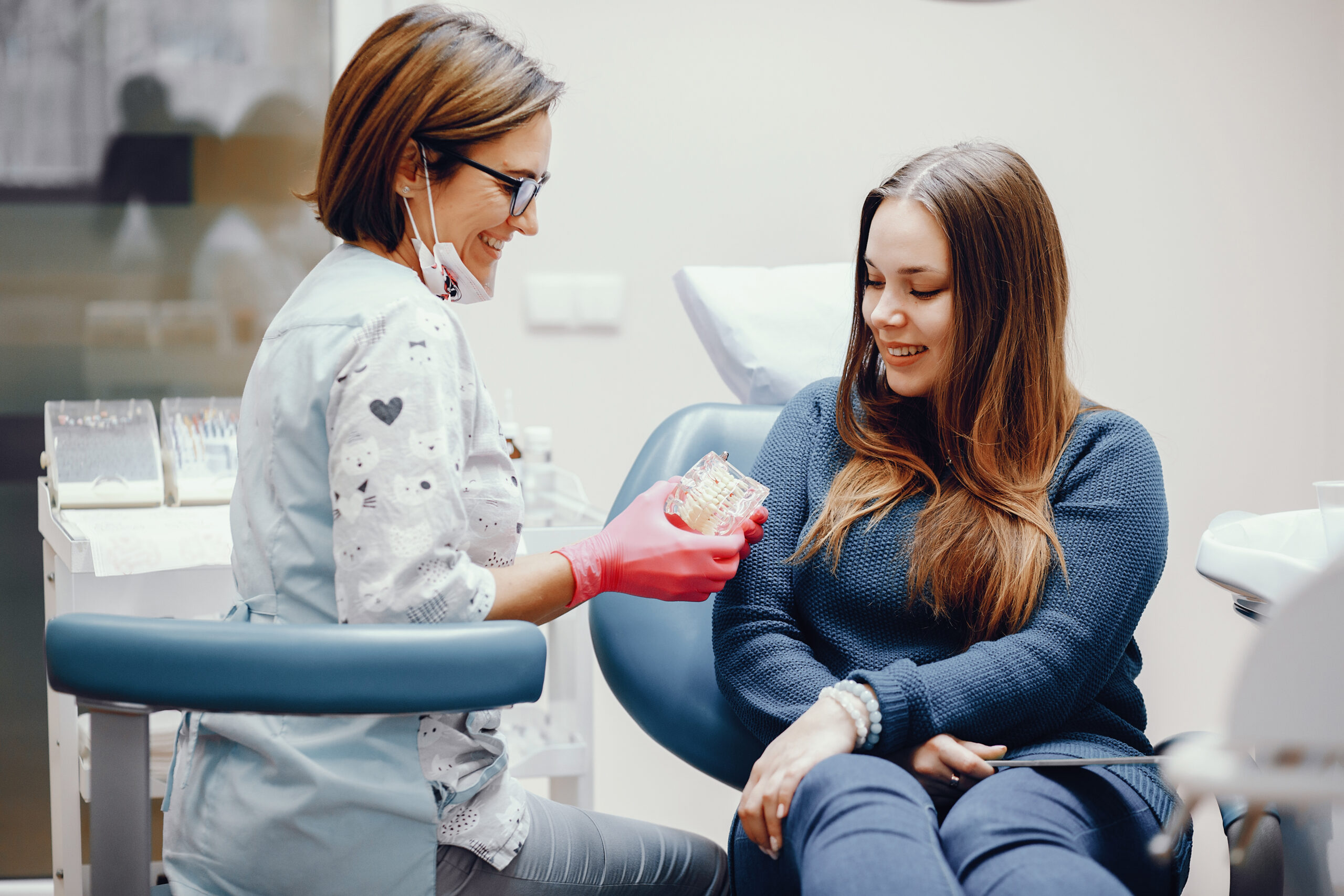
Maintaining a healthy smile goes beyond just brushing your teeth every day—it’s about adopting a preventive dental care routine that protects your teeth and gums for the long term. At Phelan Dental in Oakville, we believe that prevention is key to reducing the risk of cavities, gum disease, and other dental issues that can affect your overall health. By following a few simple habits and scheduling regular visits, you can ensure that your oral health stays in top shape for years to come.
In this blog, we’ll discuss the essential preventive dental care tips you should follow for a lifetime of healthy teeth and gums.
Why Preventive Dental Care Matters
Preventive dental care is the practice of taking steps to avoid dental problems before they occur. This proactive approach helps you maintain your teeth and gums in good condition, avoiding the need for more invasive and expensive treatments down the road. By incorporating good oral hygiene habits and keeping up with regular checkups, you can prevent common dental issues like cavities, gum disease, and bad breath.
Here are the key benefits of preventive care:
- Prevents cavities: Daily brushing and flossing remove plaque buildup, preventing tooth decay and cavities.
- Reduces gum disease: Regular cleanings and good oral hygiene prevent gum disease, which can lead to tooth loss if untreated.
- Saves money: Preventive care is typically more affordable than treating dental issues after they arise.
- Promotes overall health: Good oral health is linked to better overall health, including a reduced risk of heart disease, diabetes, and respiratory infections.
Essential Preventive Dental Care Tips
1. Brush Your Teeth Twice a Day
Brushing your teeth is the first line of defense in preventing cavities and gum disease. Brushing twice a day—once in the morning and once before bed—removes plaque and food particles that can lead to tooth decay and gum irritation. It’s important to use the right technique and tools for the best results.
What to Expect:
- Use a soft-bristled toothbrush and fluoride toothpaste.
- Brush for at least two minutes, making sure to clean all surfaces of your teeth, including the fronts, backs, and chewing surfaces.
- Don’t forget to brush your tongue to remove bacteria and freshen your breath.
Why It Helps:
- Brushing twice a day removes plaque, a sticky film of bacteria that can cause cavities and gum disease. It’s an easy habit that sets the foundation for good oral hygiene.
2. Floss Daily to Clean Between Your Teeth
Brushing alone isn’t enough to remove all the plaque and food particles from your mouth. Flossing is essential for cleaning between your teeth and along the gumline, where a toothbrush can’t reach. Flossing helps prevent cavities between teeth and reduces the risk of gum disease.
What to Expect:
- Use about 18 inches of floss, wrapping it around your fingers and gently sliding it between your teeth.
- Curve the floss around each tooth in a C-shape and move it up and down to remove debris.
- Floss once a day, preferably before bed, to remove food particles and bacteria from between your teeth.
Why It Helps:
- Flossing removes plaque and debris that brushing misses, helping to prevent cavities and gum disease, especially in hard-to-reach areas between teeth.
3. Visit Your Dentist Regularly for Checkups and Cleanings
Even with great at-home care, it’s important to see your dentist for routine checkups and professional cleanings. Regular dental visits help your dentist detect problems early, before they become serious issues. Cleanings remove plaque and tartar buildup that can’t be addressed with brushing and flossing alone.
What to Expect:
- Your dentist will perform a comprehensive exam of your teeth, gums, and mouth to check for any signs of decay, gum disease, or other oral health issues.
- You will receive a professional cleaning to remove plaque and tartar, leaving your teeth smooth and fresh.
- Your dentist may also take X-rays to check for hidden issues, such as cavities between teeth or problems with your jaw.
Why It Helps:
- Routine checkups and cleanings help prevent problems like cavities and gum disease. Regular visits also allow for early detection and treatment of issues before they become more severe.
4. Use Fluoride to Strengthen Your Teeth
Fluoride is a mineral that helps strengthen tooth enamel, making it more resistant to decay. Many kinds of toothpaste contain fluoride, and your dentist may also offer fluoride treatments during your checkups to provide extra protection.
What to Expect:
- Use a fluoride toothpaste to brush your teeth twice a day.
- If you’re at higher risk for cavities, your dentist may apply a fluoride treatment during your visit to help protect your enamel.
Why It Helps:
- Fluoride strengthens tooth enamel, preventing tooth decay and helping to protect against cavities, especially in children and those at higher risk for decay.
5. Eat a Balanced Diet and Limit Sugary Foods
Your diet plays a big role in your oral health. Foods and drinks that are high in sugar feed the bacteria in your mouth, which can lead to cavities and gum disease. A balanced diet rich in calcium, vitamins, and minerals can help keep your teeth and gums strong.
What to Expect:
- Limit sugary snacks and drinks, such as candy, soda, and sweets, which can contribute to tooth decay.
- Include foods that promote healthy teeth, such as dairy products, fruits, vegetables, and whole grains.
- Drink water regularly, especially after meals, to rinse away food particles and bacteria.
Why It Helps:
- A healthy diet provides the nutrients your teeth need to stay strong and healthy, while limiting sugary foods prevents plaque buildup and cavities.
6. Protect Your Teeth from Injury
If you play sports or grind your teeth at night, protecting your teeth from injury is an important part of preventive dental care. Wearing a mouthguard during sports can help protect your teeth from trauma, while a nightguard can prevent damage caused by teeth grinding.
What to Expect:
- Your dentist can custom-make a mouthguard or nightguard to fit your teeth comfortably and protect them from injury or wear.
- Wear the guard whenever you’re playing contact sports or while you sleep (if you grind your teeth).
Why It Helps:
- Mouthguards prevent tooth fractures, and nightguards protect your teeth from the damage caused by grinding, preserving your smile and dental health.
7. Quit Smoking or Using Tobacco Products
Tobacco use is one of the leading causes of gum disease and oral cancer. Smoking and using tobacco products can also cause tooth discoloration and bad breath.
What to Expect:
- Quitting smoking or using tobacco products will improve your oral health and reduce your risk of gum disease, tooth loss, and cancer.
- Your dentist can provide support and resources to help you quit.
Why It Helps:
- Quitting tobacco significantly reduces the risk of gum disease, oral cancer, and other oral health issues, leading to a healthier smile and better overall health.
Local Patient Review
“I’ve been seeing Dr. Phelan for years, and I appreciate how thorough the checkups are. The team always gives me great tips for maintaining my oral health between visits. I’ve never had a cavity, and I owe it to the great advice and regular cleanings!”
FAQs About Preventive Dental Care
How often should I see the dentist for checkups?
It’s recommended to visit the dentist every six months for routine checkups and cleanings. If you have specific dental concerns, your dentist may recommend more frequent visits.
What can I do to prevent cavities?
Brush your teeth twice a day with fluoride toothpaste, floss daily, eat a healthy diet, and avoid sugary snacks and drinks. Regular dental visits also help prevent cavities.
What if I have sensitive teeth?
If you have sensitive teeth, your dentist can recommend specific treatments, such as desensitizing toothpaste or fluoride treatments, to help reduce discomfort and protect your enamel.
Your Next Step Toward a Healthy Smile
At Phelan Dental, we are committed to helping you maintain your oral health with preventive care that’s tailored to your needs. By following these simple tips and staying on top of regular checkups, you can enjoy a lifetime of healthy, beautiful smiles. Contact us today to schedule your next preventive dental visit!